
Useful links
Therapy for addictions and substance dependenceEmotional changes that may appear when you stop drinking alcohol.
Stopping alcohol consumption does not only involve physical changes. When a person is used to drinking frequently, alcohol may have become part of their routines, the way they relate to others, or the way they deal with certain situations.
For this reason, stopping it can also lead to changes in mood and in the way emotions are managed.
Emotional changes after stopping alcohol
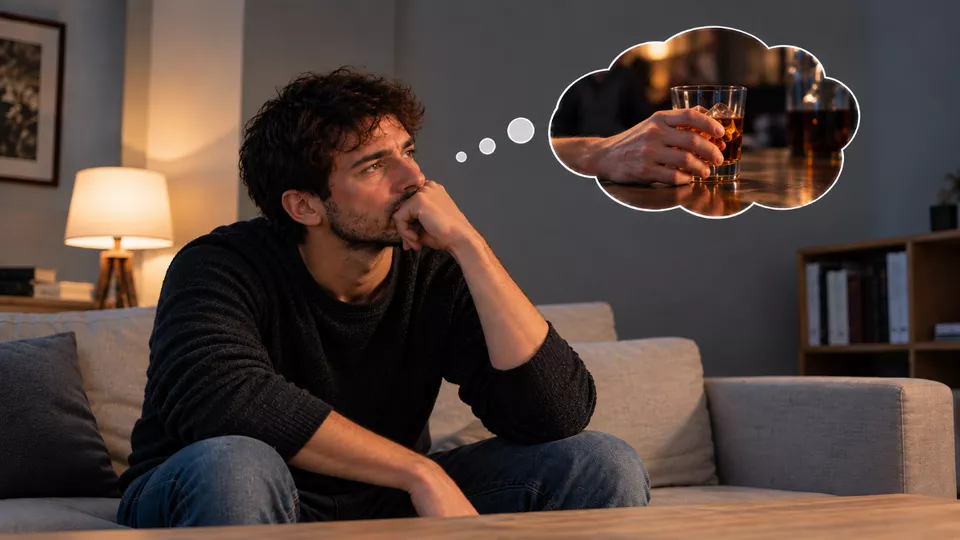
During the first few weeks, some people may notice increased irritability, sadness, lack of motivation, or mood swings. A feeling of emptiness may also appear when situations or routines associated with drinking disappear.
For example, a person who used to drink after work, on weekends, or when meeting friends may find themselves in situations where they no longer know how to act without drinking.
This does not mean that these emotions are permanent. The brain and personal routines need an adjustment period while new ways of coping are being built.
Learning to manage emotions without alcohol
One important aspect is identifying what role drinking played. In some cases, alcohol was used to disconnect, face problems, socialize with other people, or avoid certain emotions.
When drinking stops, it may be necessary to develop alternatives that allow these situations to be handled differently.
Establishing new routines, resuming abandoned activities, keeping in touch with trusted people, and learning strategies to manage emotions can make this process easier.
When can it be helpful to ask for help?
It is not always easy to go through this process alone. If emotional changes make daily life difficult, if there are difficulties maintaining abstinence, or if drinking had become a usual way of managing emotions, psychological support can help.
Intervention can help you understand your relationship with alcohol, identify the factors that maintain drinking, and develop resources to face different situations without needing to turn to it.


