
Useful links
Family and children therapyWhen a situation stops being a joke and starts to hurt.
Bullying, or school harassment, is a situation that can deeply affect the emotional well-being of children and adolescents. Detecting it early is important, but it is not always easy, as those who experience it often feel afraid, embarrassed, or do not know how to explain what is happening.
What is bullying?
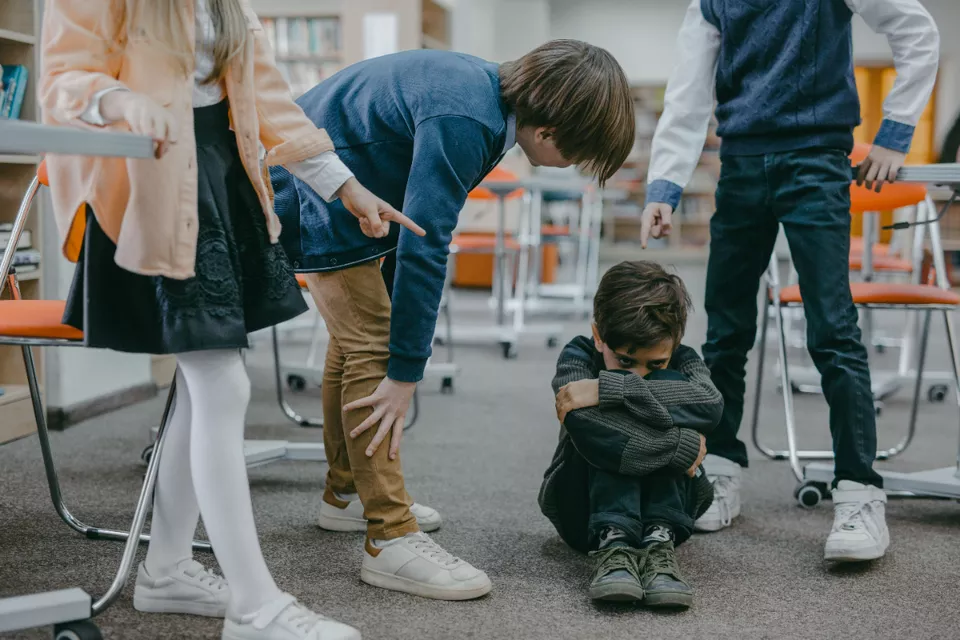
We talk about bullying when a child or adolescent repeatedly suffers intimidation, humiliation, aggression, or exclusion from one or more classmates.
Harassment can be physical, verbal, social, or digital. Insults, threats, shoves, mockery, exclusion from the group, or humiliation through social media are some examples.
It is not the same as a one-time conflict between classmates. In bullying, there is a harassment situation that continues over time and can generate significant distress.
How can you tell if a child is being bullied?
Not all children react in the same way, but some changes may indicate that something is not right:
-
Not wanting to go to school or making excuses to avoid attending.
-
Being sadder, more nervous, or more irritable than usual.
-
Withdrawing from friends or stopping participation in activities.
-
Having trouble sleeping or changes in appetite.
-
Showing a drop in school performance.
-
Frequently complaining of headaches or stomachaches.
-
Showing fear or concern when talking about school.
-
Coming home with broken belongings or losing personal items.
These signs do not necessarily confirm that bullying is happening, but they may indicate that the child or adolescent needs to be listened to.
What can we do in a possible case?
The first step is to listen without judging. It is important to convey that they are not to blame for what is happening and that they can ask for help.
It is also advisable to inform the school so it can assess the situation and take the appropriate measures. We should not place all the responsibility on the child or adolescent, nor expect them to solve everything on their own.
Above all, it is important that they feel they are not alone and that they have the support of the people around them.
Supporting also means intervening
Bullying can make a child or adolescent feel alone or misunderstood. Detecting the early signs, listening, and taking action can make an important difference.
If you notice significant changes in your son or daughter’s behavior or emotional state, it is important to give them a safe space where they can explain what is happening.
When it comes to bullying, listening, supporting, and acting are essential.


